July 24, 2026
Radon is an invisible, odorless gas that seeps into homes from the ground beneath them, and it's the second leading cause of lung cancer in the United States. Unlike other indoor air hazards, you can't see, smell, or taste radon, which is exactly why so many homeowners are caught off guard when a test reveals elevated levels. The good news is that radon mitigation technology has matured into a reliable, well-understood science. Once a home tests high, a properly designed system can bring radon concentrations down to safe levels quickly and permanently. Understanding how these systems function—and why professional installation matters—can help you make informed decisions about protecting your household's air quality. This guide walks through the mechanics of radon mitigation, what to expect during installation, and why partnering with a local radon mitigation service is almost always the smarter path forward.
Understanding Where Radon Comes From and Why It Matters
Radon forms naturally when uranium in soil, rock, and groundwater breaks down over time. As this decay process continues, radon gas rises through the ground and finds its way into homes through cracks in foundations, gaps around pipes, sump pits, and even porous concrete. Because homes create negative pressure relative to the soil beneath them, they effectively pull radon inside, where it can accumulate to dangerous concentrations, especially in basements and lower levels. Radon levels vary significantly from one property to the next, even among neighboring homes, since soil composition and foundation construction differ. This unpredictability is why testing is the only way to know your home's actual radon level, and it's also why homeowners often need help interpreting results and deciding on next steps. A local radon mitigation service can test your home accurately and explain what the numbers mean for your specific situation.
Diagnosing a Home Before Any Mitigation Work Begins
Before any mitigation system is installed, a thorough diagnostic assessment determines the most effective approach for your specific foundation type. Technicians evaluate whether a home has a basement, crawlspace, or slab-on-grade construction, since each requires a different mitigation strategy. They also examine the foundation for cracks, expansion joints, and other entry points, and they identify the best location for a vent pipe and fan system. This diagnostic phase isn't something homeowners can meaningfully replicate on their own, since it requires specialized equipment and an understanding of soil gas behavior. A local radon mitigation service brings this expertise to every job, ensuring the system design matches the home's actual structural conditions rather than a generic template. Skipping this step, or attempting it without training, often leads to underperforming systems that fail to bring radon levels down to acceptable thresholds.
Understanding the Core Principle Behind Every System
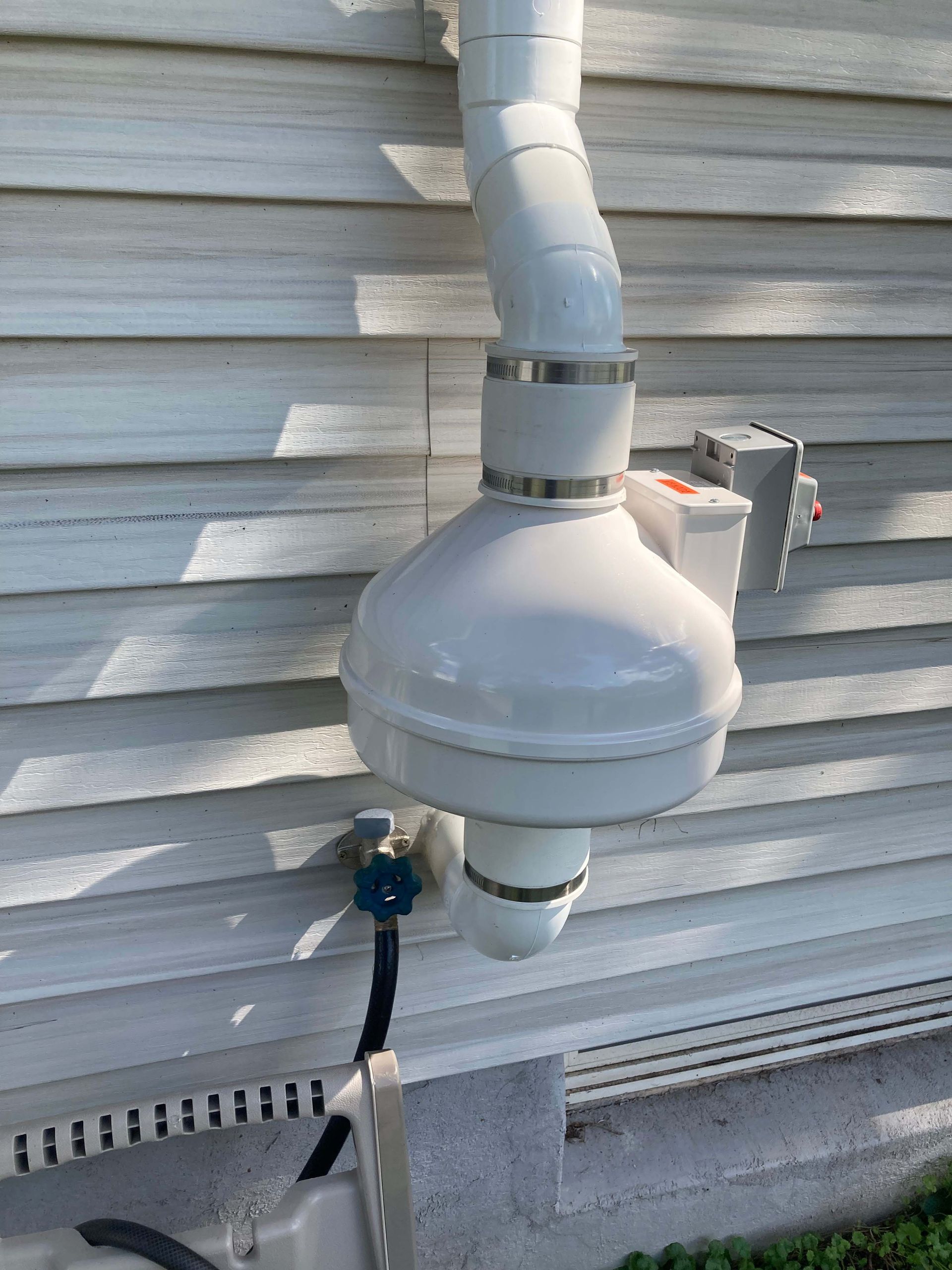
The vast majority of radon mitigation systems rely on a method called sub-slab depressurization. This approach involves drilling a hole through the foundation slab and inserting a PVC pipe that extends down into the soil beneath the home. A fan attached to this pipe continuously pulls radon-laden air from beneath the foundation and vents it safely above the roofline, away from windows and living spaces. By creating negative pressure under the slab, the system essentially redirects the path of least resistance for radon gas, drawing it outward before it ever has the chance to enter the home. This is a continuous, passive process once installed, requiring no ongoing effort from the homeowner beyond occasional monitoring. The simplicity of the concept belies the precision required to execute it correctly, which is another reason homeowners consistently turn to a local radon mitigation service rather than attempting a DIY installation.
Selecting the Right Fan and Piping for Long-Term Performance
Not all radon fans are created equal, and choosing the correct one depends on factors like the size of the home, soil permeability, and the radon concentration being addressed. Fans are rated by their airflow capacity and static pressure performance, and installing an undersized or oversized fan can compromise the entire system's effectiveness. Piping must also be sized and routed correctly, with attention paid to noise reduction, aesthetic placement, and compliance with local building codes. Beyond the fan itself, proper sealing of foundation cracks and openings plays a critical supporting role, since unsealed entry points can undermine even a well-designed depressurization system. A local radon mitigation service has access to professional-grade components and the technical knowledge to match system specifications to your home's unique needs, something that's difficult to replicate with off-the-shelf hardware.
Measuring Results and Confirming Long-Term Effectiveness
Once a system is installed, follow-up testing confirms whether radon levels have dropped to a safe range, typically below the EPA's action level of 4 picocuries per liter. This verification step is essential, since it validates that the system is functioning as intended and gives homeowners peace of mind backed by data rather than assumption. Most systems also include a manometer, a simple gauge that allows homeowners to visually confirm the fan is operating correctly at a glance. According to This Old House, radon mitigation systems are highly effective, with the ability to reduce radon concentrations by up to 99%, making them one of the most reliable interventions available for indoor air quality. That level of performance, however, depends entirely on correct installation and calibration, which is precisely the value a local radon mitigation service provides from start to finish.
Maintaining a System for Years of Reliable Protection
Radon mitigation systems are built for longevity, but they do require occasional attention to keep performing at their best. Fans typically last between five and ten years before needing replacement, and homeowners should periodically check the manometer to ensure consistent pressure readings. Vent pipes and seals should also be inspected for damage, especially after severe weather or home renovations that might disturb the foundation. Retesting every two years is generally recommended, even if the original installation was successful, since soil conditions and structural changes can occasionally affect performance. A local radon mitigation service can handle these maintenance checks efficiently, catching small issues before they become larger problems that compromise air quality.
Recognizing Why Professional Installation Outperforms DIY Attempts
While ambitious homeowners might be tempted to install a radon system themselves, the complexity involved in proper design, drilling, sealing, and fan selection makes professional installation the safer and more effective choice. Improperly installed systems can fail to reduce radon levels adequately, create new problems like backdrafting combustion appliances, or violate local building codes that require permits and inspections. Professional installers also carry certifications that demonstrate their knowledge of EPA guidelines and state-specific regulations, ensuring the work meets recognized safety standards. Beyond the technical execution, professionals can accurately interpret test results and recommend the right system configuration for your specific home, something that generic online guides simply cannot replace. Choosing a local radon mitigation service means investing in expertise that protects both your health and your home's long-term value.
Radon mitigation might seem like a purely mechanical process, but its effectiveness hinges on precise diagnostics, correct system design, and ongoing verification, all of which are best handled by trained professionals. From identifying entry points to selecting the right fan and confirming long-term performance, every step benefits from specialized knowledge that most homeowners simply don't have on hand. If your home has tested high for radon, or if you haven't tested at all, now is the time to take action. At Stanton Radon, we specialize in designing and installing mitigation systems tailored to your home's unique structure, giving you clean, safe indoor air you can count on year-round. Reach out to our team today to schedule a consultation and take the first step toward a healthier home.